
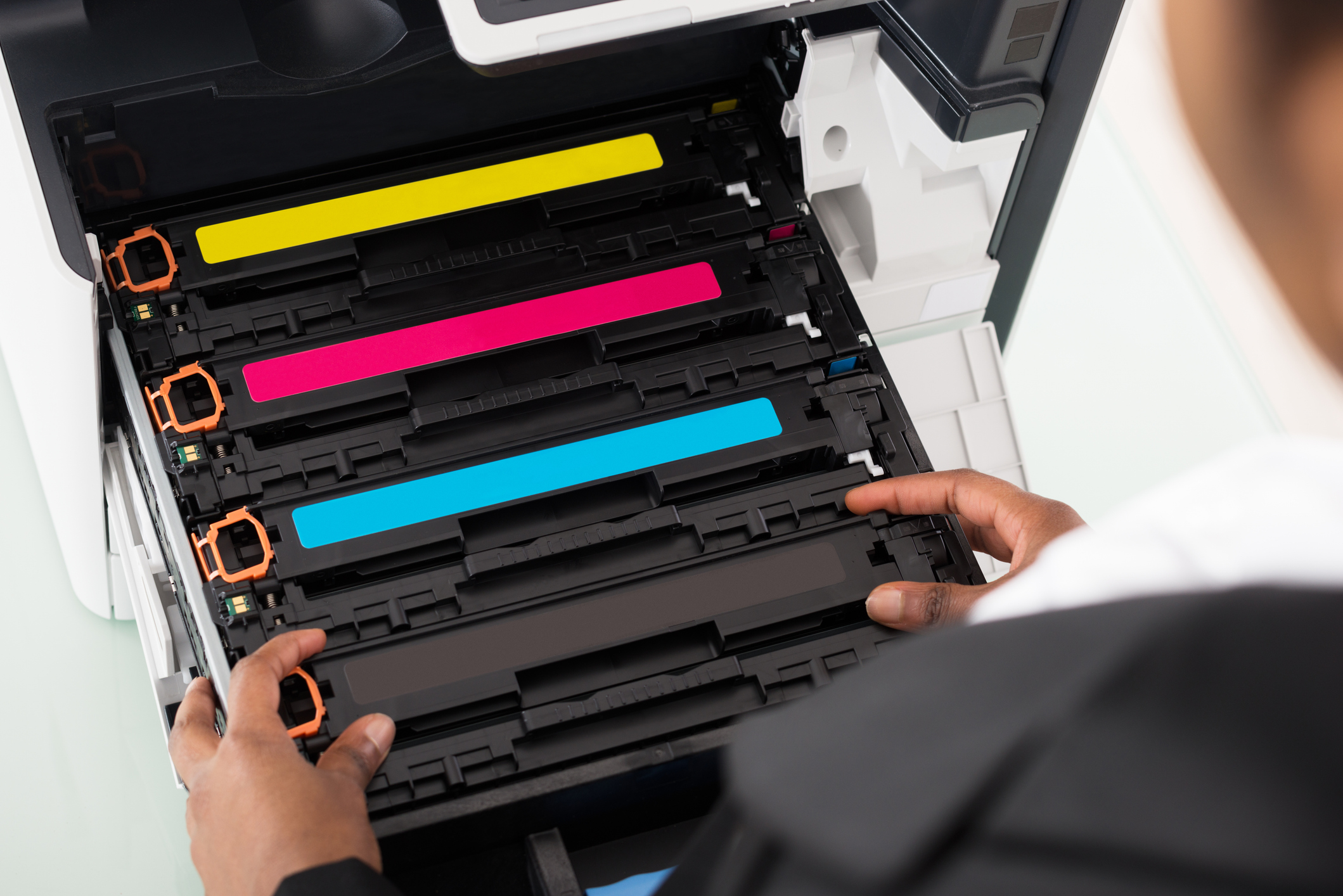
“Set it and forget it” toner programs often create more confusion than convenience.
Most automatic toner programs are marketed as a hands-off solution.
Once the system is set up, the printer communicates with the vendor when toner runs low, and a replacement cartridge is shipped automatically.
In theory, this should mean:
- No one needs to track inventory
- Toner arrives before you run out
- Ordering becomes automatic
It sounds like the perfect way to remove supply management from your team’s to-do list. But in many offices, the reality ends up looking quite different.
What Actually Happens in Real Offices
In practice, automatic toner programs can create a number of unexpected problems.
First, toner shipments may be triggered whether you truly need them or not. Printer sensors and cartridge chips are not perfect, and some devices report low toner levels earlier than necessary.
Second, supply chain disruptions in recent years have introduced new challenges. Cartridge chips occasionally fail or misreport toner levels, which can lead to incorrect shipments or cartridges that devices struggle to recognize.
Over time, these small issues add up.
Offices begin accumulating extra cartridges that may never be used. Supply closets fill with boxes that employees are unsure how to distribute. And when someone actually needs toner, they may still struggle to find the correct cartridge.
The system may be automatic, but it still requires oversight.
The Inventory Problems Auto-Shipping Can Create
One of the biggest issues with auto-shipping toner is the lack of accountability.
When supplies arrive automatically, no one on the team is clearly responsible for tracking them. Boxes arrive at the front desk or mailroom and eventually get placed somewhere in the office.
Over time, organizations start seeing familiar problems:
- Overstocked toner closets
- Duplicate cartridges ordered by employees who cannot find existing supplies
- Confusion about which toner fits which device
- Cartridges sitting unused for long periods of time
Toner cartridges are generally shelf-stable because they contain dry powder rather than liquid ink. However, manufacturers still recommend using them within a few years, since cartridge components can age and toner may clump if stored improperly.
When offices accumulate excess inventory, older cartridges can become unreliable or incompatible with newer devices. In some cases, teams end up discarding supplies that were never used.
The goal of automation was to simplify the process. Instead, it often removes visibility.
A Smarter Alternative: PAR Level Inventory
At Budget Document Technology, we often recommend a simpler and more reliable approach to toner management: maintaining a PAR level inventory.
A PAR level system establishes a small, controlled stock of toner cartridges on-site. Instead of relying entirely on automatic shipments, your office maintains a predetermined minimum quantity for each device type.
When inventory drops below that level, replacements are ordered.
The system is straightforward:
- A small on-site toner supply is maintained
- One designated team member helps monitor inventory
- Supplies are replenished as needed
This approach provides the reliability of always having toner available without the clutter and confusion that automatic shipping can create.
Why a Little Oversight Works Better
The goal of toner management is not simply to ship cartridges. It’s to keep your printers running without disruption.
A PAR level system works well because it combines structure with visibility. Your team always knows where supplies are stored, which cartridges belong to which devices, and when replacements are needed.
Instead of an automated process that operates in the background without oversight, you have a system that is simple, predictable, and easy to manage.
Most organizations find that this small amount of structure dramatically reduces supply confusion.
Can You Still Use Auto-Shipping Toner?
If a client prefers automatic toner delivery, it is certainly an option. However, it comes with the same challenges that every provider faces: imperfect sensors, occasional shipment errors, and reduced visibility into inventory.
For many organizations, the PAR level approach simply works better because it balances convenience with accountability.
The Bottom Line: Simplicity Beats Automation
Office supply management does not need to be complicated. In many cases, the most effective systems are the ones that provide just enough structure to keep things organized without adding unnecessary complexity.
A well-managed toner supply system ensures:
- Printers stay operational
- Supply closets stay organized
- Employees know where to find what they need
At Budget Document Technology, our goal is not just delivering toner. It is helping organizations maintain a print environment that runs smoothly day after day.
If your office is struggling with supply confusion or overstocked toner closets, we can help you implement a smarter system.
Because the best toner program is the one that actually works.